optimal settings for resuscitators in varied clinical scenarios
Resuscitators play a critical role in emergency medicine, delivering positive pressure ventilation to patients experiencing respiratory failure or cardiac arrest. With advancements in technology, understanding the optimal settings for these devices in diverse clinical situations is paramount. This article provides expert recommendations on how to adjust resuscitators to meet the needs of patients in various scenarios.
Understanding the Basics
Before delving into specific settings, it is essential to grasp the fundamental components of a resuscitator. Most resuscitators consist of a self-expanding bag, a unidirectional valve, and a mask or endotracheal tube attachment. The goal is to ensure effective ventilation while minimising potential complications such as barotrauma, volutrauma, or hypoxia.
Cardiac Arrest Scenarios
In cases of cardiac arrest, the priority is to deliver high-quality chest compressions alongside ventilations. The recommended settings for resuscitators in this scenario include:
People Also Look For:
- Laparoscopic Simulator Training Tool for Medical Device Simulation
- IUD Simulator for Gynecological Teaching and Nursing Training
- Intrauterine Device Training Model for Insertion and Removal
- HypaCover Adhesive Wound Dressing - Medium, Pack of 25
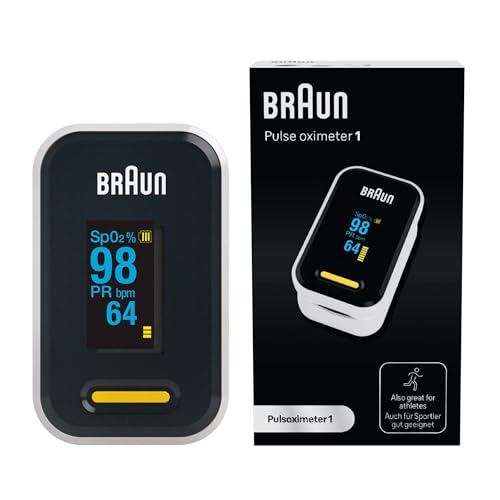
- Generise Pulse Oximeter - Blood Oxygen Monitor for Adults and Children
- Tidal Volume: Administer 500 to 600 millilitres of tidal volume for adults, while for children, aim for 6 to 8 millilitres per kilogram of body weight.
- Ventilation Rate: Provide 10 to 12 breaths per minute, synchronising with chest compressions to ensure minimal interruption.
- Peak Inspiratory Pressure: Monitor and limit pressure to prevent barotrauma, ideally keeping it below 20 cm H2O.
Respiratory Distress Scenarios
When managing patients with respiratory distress, such as those suffering from asthma or COPD exacerbations, settings should focus on ensuring adequate tidal volume while avoiding hyperinflation:
- Tidal Volume: Use 6 to 8 millilitres per kilogram of body weight. Adjust according to the patient's ability to tolerate ventilation.
- Ventilation Rate: Set to 10 to 12 breaths per minute, ensuring the patient has time for exhalation to prevent air trapping.
- PEEP Settings: Consider applying Positive End-Expiratory Pressure (PEEP) in the range of 5 to 10 cm H2O to enhance oxygenation.
Trauma Patients
In trauma cases, particularly those with suspected pulmonary contusions or severe chest injuries, resuscitators need specific adjustments:
- Tidal Volume: Employ lower tidal volumes of 6 millilitres per kilogram to reduce the risk of further lung injury.
- Ventilation Rate: Maintain a rate of 10 to 12 breaths per minute, ensuring patient comfort and adequate ventilation.
- Monitoring: Continuous monitoring of end-tidal CO2 levels is critical to assess ventilation effectiveness and prevent hypercapnia.
Paediatric Considerations
When using resuscitators on paediatric patients, it is vital to tailor settings specifically to age and weight:
- Tidal Volume: For neonates, aim for 5 to 6 millilitres per kilogram, while for older children, target 6 to 8 millilitres per kilogram.
- Ventilation Rate: Adjust rates according to age: 40 to 60 breaths per minute for neonates, 20 to 30 for infants, and 15 to 20 for children.
- Mask Fit: Ensure an appropriate mask fit to achieve a proper seal and prevent leaks during ventilation.
Environmental Considerations
Always consider the environment in which resuscitation is taking place. For instance, in high-altitude settings, oxygen saturation levels may vary. Adjust the supplemental oxygen supply accordingly, and monitor patient response closely.
As clinical scenarios can change rapidly, maintaining flexibility in adjusting your resuscitator settings is crucial. Continuous education and training can significantly enhance the effectiveness of resuscitation efforts.